
Empowering Mothers to Shape Better Tomorrow
Connecting mums and communities to give every child the support they deserve.
Maternal & Child Health Hub
Maternal & Child Health Hub (shortened to MCH Hub) is an integrated, community-based facility designed to support women from pregnancy through early parenthood, while ensuring infants and young children receive essential health, nutrition, and hygiene care under one roof.
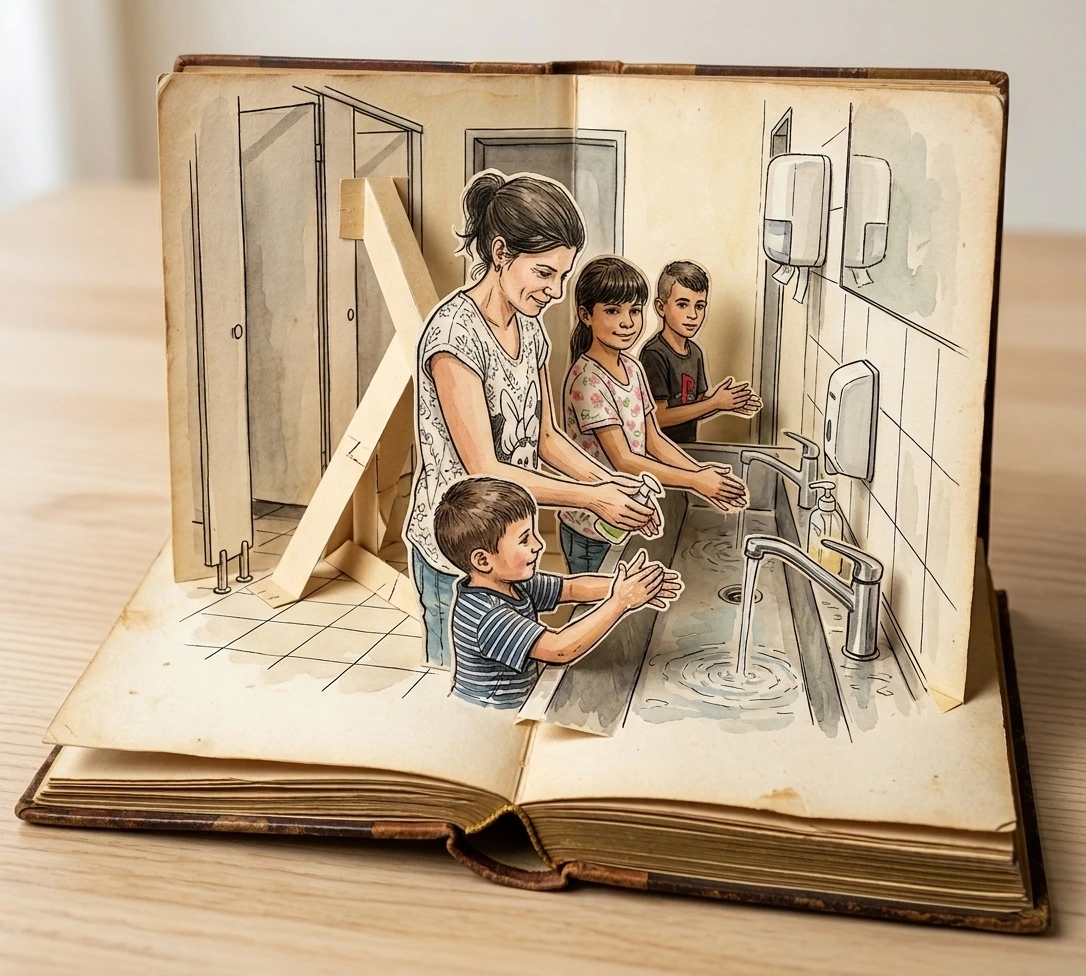
All-in-one ecosystem that bridges streamline hygiene-care, health-care, community support, education and social work.
When you give today, you aren’t just sending supplies — you are providing a safe space where a mother feels cared for and a child gets the healthy start they deserve.
At OneMum Foundation, we believe that clean water, essential hygiene care, and safe healthcare shouldn’t be a privilege. Our MCH Hub provides new mothers and infants with everything they need to thrive under one roof — from prenatal checkups and clean water access to essential hygiene supplies and peer support.
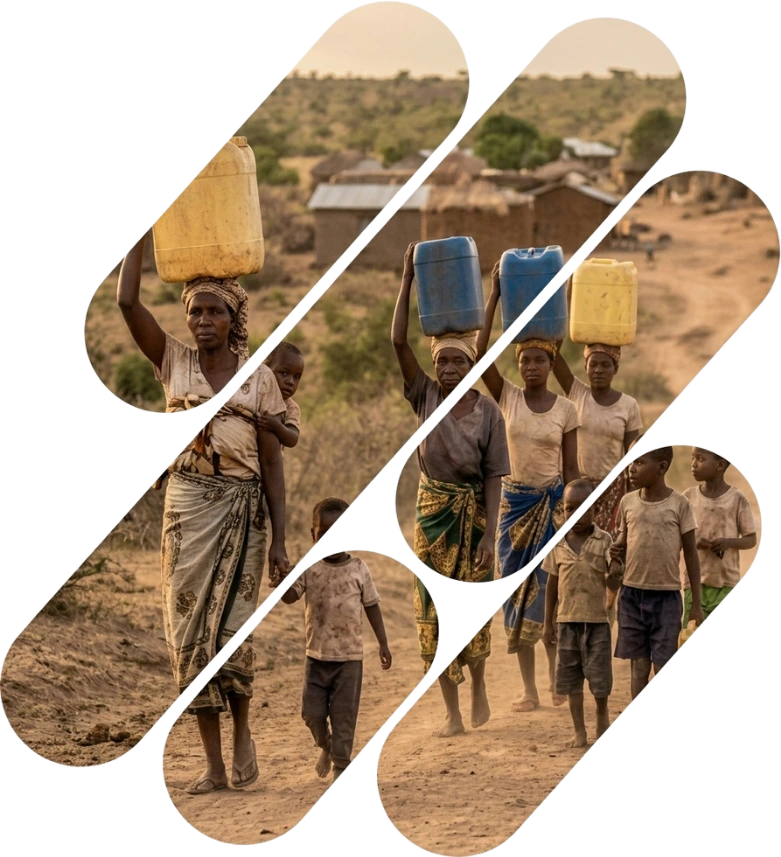
Simple, preventable infections remain a leading threat to newborns and mothers in underserved communities. MCH Hub bridges the gap by delivering direct clinical care, WASH (Water, Sanitation, and Hygiene) infrastructure, and vital supplies to families when they need it most.
We create safe, clean and healthy spaces for families with children in need, often within inhospitable environments.
Maternal & Child Health Hub
MCH Hub acts as a accessible, welcoming center that combines healthcare, hygiene infrastructure, essential supplies, and peer education.
Sanitation & Personal Care: Showers, clean toilets, laundry facilities, personal hygiene kit distribution.
Clean Water Access: Safe drinking water points, water filtration, and storage solutions.
Education & Wellness: Handwashing programs, maternal hygiene guidance, and health supply distribution.
Hygiene & WASH (Water, Sanitation, Hygiene)
Essential Hygiene Supplies, maintaining basic hygiene with limited resources relies on multi-use, gentle products that protect the skin barrier and prevent bacterial or fungal infections.
On-Site Facilities: Clean, private bathing facilities, laundry stations for sanitizing cloth diapers and linens, and safe drinking water access.
Hygiene Kits: Distribution of post-partum care supplies, menstrual health products, baby-safe soaps, diapers, and clean birth kits in low-resource settings.
Nutrition & Material Aid
Nutritional Guidance: Breastfeeding support/lactation advice, weaning guidance, and supplemental vitamins (iron, folate, vitamin A).
Direct Resource Distribution: Access to donated baby gear, clothing, formula (when medically required), and fortified foods for undernourished mothers.
Community Education & Peer Empowerment
Workshops: Interactive sessions on infant care, hygiene practices, mental health support, and child development.
Support Groups: Safe spaces for new mothers to build community, share experiences, and receive peer counseling.
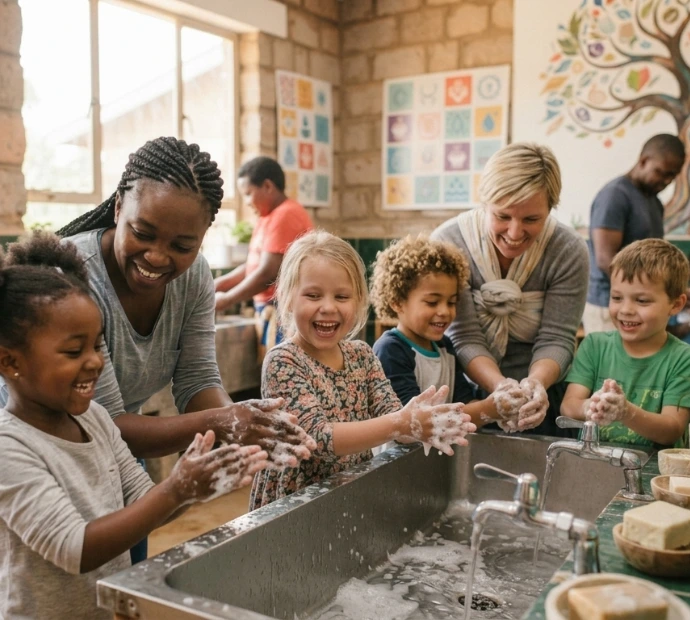
Why the "Hub" Model Works
Traditional healthcare models often separate clinical doctor visits from social services, hygiene distribution, and community support. The MCH Hub model succeeds by:
Lowering Barriers to Access
Families can get routine health checks, wash clothes, collect essential supplies, and connect with other parents in a single trip.
Focusing on Preventative Health
By pairing hygiene access and education with clinical checks, hubs address root causes of infant illness (like waterborne diseases or preventable infections) before emergency care is needed.
Building Trust
Operated with an approachable, community-first tone rather than an intimidating institutional environment, making mothers feel respected and comfortable seeking care.
Shared Infrastructure Costs (Free Services)
Utilities, security, administrative personnel, and facility maintenance are spread across multiple services rather than duplicated across four separate programs.
Philanthropy with Difference
Navigating care while pregnant or raising a young child can feel chaotic and overwhelming. A Maternal & Child Health Hub cuts through the noise by pulling fragmented services—obstetrics, pediatrics, lactation consulting, and social work—into a coordinated network so families don’t fall through the cracks.
"In spite of everything, I still believe that people are really good at heart."
ANNE FRANK – German-born Jewish diarist and Holocaust victim
- final writings is from a July 15, 1944
- died – 1945 (age 16 years), Bergen-Belsen Concentration Camp
Wallpaint painted by Byron Gómez Chavarría, Mural of frank with birds and handprints of children (2017), Anne Frank School, Utrecht, Netherlands.
Transparency and responsible management
We believe every donor, partner, and family we serve deserves total clarity on how our resources are used. At OneMum Foundation / onemum.org, transparency isn’t just a policy—it’s how we honor your trust. 100% of public donations directly fund on-the-ground programs, clean water infrastructure, essential maternal health supplies and MCH Hubs Models.